VPS with Python
Host Python on scalable infrastructure like a VPS
Configure your Python VPS.

Go from code to production without redoing everything
The SSL certificate encrypts exchanges and the firewall controls the exposure of each service.
Your Python application deployment can rely on APIs or external cloud services to separate authentication, processing, and storage.
Our VPS servers compatible with Python
VPS-1
From
£3.31
ex. VAT/month
or £3.97 incl. VAT/month
Specifications:
2 vCores
4 GB RAM
40 GB SSD NVMe
Daily backup of the previous 24 hours
VPS-2
From
£6.29
ex. VAT/month
or £7.55 incl. VAT/month
Specifications:
4 vCores
8 GB RAM
75 GB SSD NVMe
Daily backup of the previous 24 hours
VPS-3
From
£9.01
ex. VAT/month
or £10.81 incl. VAT/month
Specifications:
6 vCores
12 GB RAM
100 GB SSD NVMe
Daily backup of the previous 24 hours
VPS-4
From
£17.34
ex. VAT/month
or £20.81 incl. VAT/month
Specifications:
8 vCores
24 GB RAM
200 GB SSD NVMe
Daily backup of the previous 24 hours
Reliable Python VPS for your projects
Scalable resources
A Python VPS combines power, adjustable memory, fast storage, low latency and unlimited traffic to support growth.
Enhanced security
Anti-DDoS, firewall, SSL and backups protect the service and facilitate disaster recovery.
A compatible architecture
Check the compatibility of PostgreSQL, versions and connections before choosing your Python plan.
Deploy your applications with reliability and performance
Thanks to a VPS, prepare a reproducible base
Python application deployment begins with organised code, declared dependencies and settings separate from the repository. This structure allows the same environment to be recreated during an update or an instance change. Then choose hosting adapted to the processing, expected exchanges and memory consumed. Your team thus has a consistent base between the development, validation and production phases.
Deploying Django to production on a VPS
A Django application generally separates code, static files, environment settings and persistent data. Static files include, in particular, stylesheets, scripts and images. Environment variables keep secrets and settings out of the repository.
The connection to PostgreSQL or another database completes this organisation without imposing a unique architecture. An execution service processes requests, while a front-end server exposes the web application and encrypts exchanges. Before opening to the public, check the authorised domains, access rights and error display.
Automating the updates and connections of your VPS
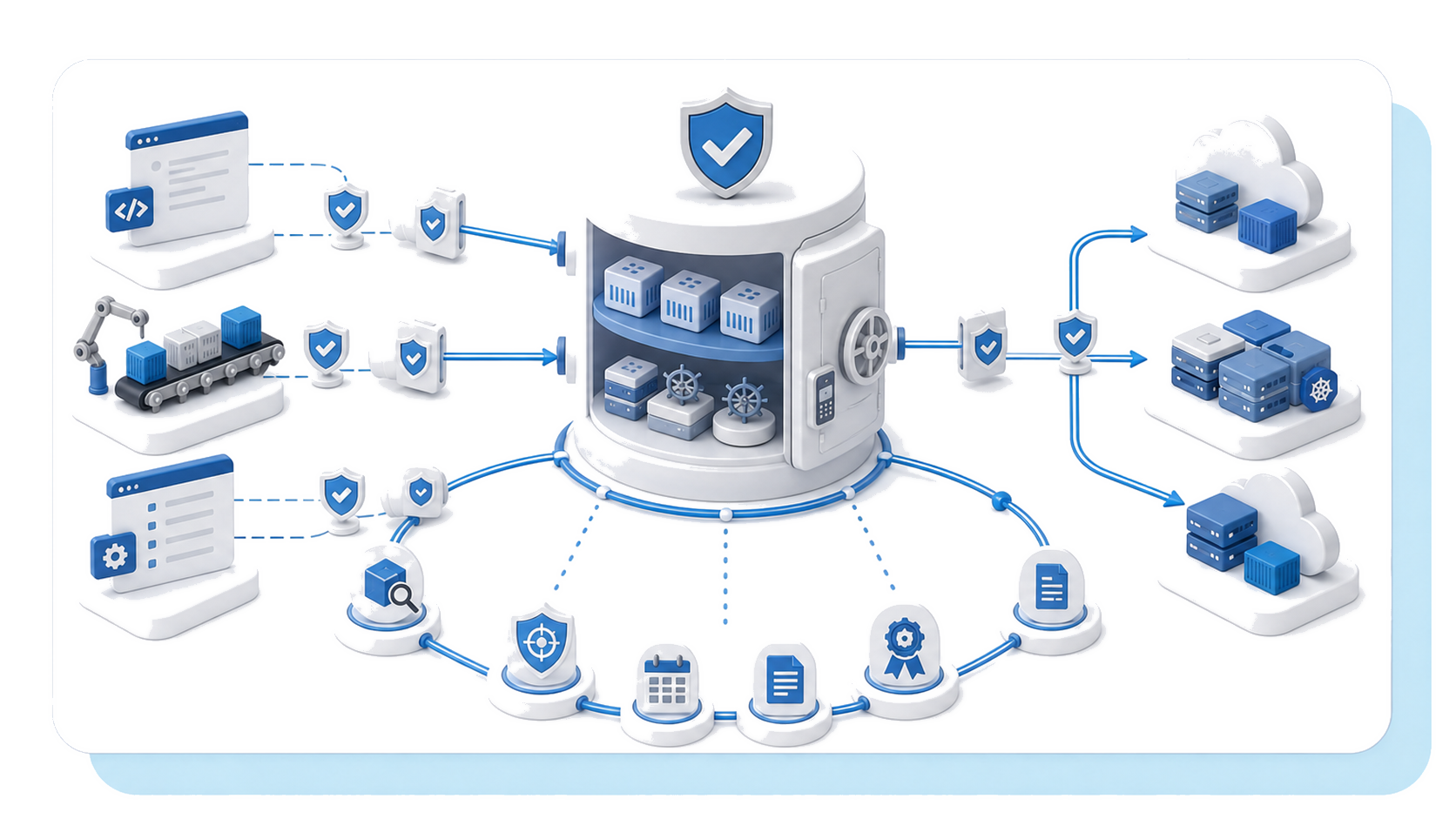
A repository stores the code history and facilitates team coordination. The continuous integration and deployment pipeline, or CI/CD, runs tests and then prepares each new version according to your rules. This tool can also launch a check command before delivery.
APIs then connect the application to business services, internal systems or external processing. Suitable bandwidth supports large content and regular exchanges. Unlimited traffic also meets the needs of an agency operating several sites or a reseller business managing different environments. This chain reduces manual handling and makes each evolution more predictable.
Reliability and security for your applications

Python VPS: an infrastructure adapted to your project
Sizing and isolating the environment
The configuration of a VPS depends on simultaneous connections, background processing, data volume and memory consumption. Measure the actual behaviour of the project, then keep a margin to absorb peaks without permanent oversizing.
A virtual environment isolates the Python libraries specific to each application. You thus avoid an update intended for one service disrupting another environment. A dependencies file specifies the versions to install and makes the preparation reproducible, both in testing and in production. Each additional programming language or compilation tool must also be identified before installation.
Choose the execution mode
Django and Flask commonly use WSGI, an interface that passes requests from the web server to the application. FastAPI relies instead on an asynchronous interface, suited to operations that often wait for a response from an external service. The execution process must therefore correspond to the framework and the expected behaviour.
A front-end server receives public connections, applies encryption and distributes requests to the application process. Configuration variables store secrets, service addresses and settings specific to each environment. You can use this separation to evolve the configuration without modifying the code.
Administer with discipline
Stable operation requires regular updates of the system, runtime components and dependencies. Limit SSH access to authorised persons, favour keys and periodically review the granted rights.
Two-factor authentication adds a verification step when it is available in the associated tools. It complements access control, without replacing secret management. Monitoring logs, load and errors finally helps the team to discover a drift before it disrupts the service. This method maintains an environment that is understandable, reproducible and simpler to administer on a daily basis.